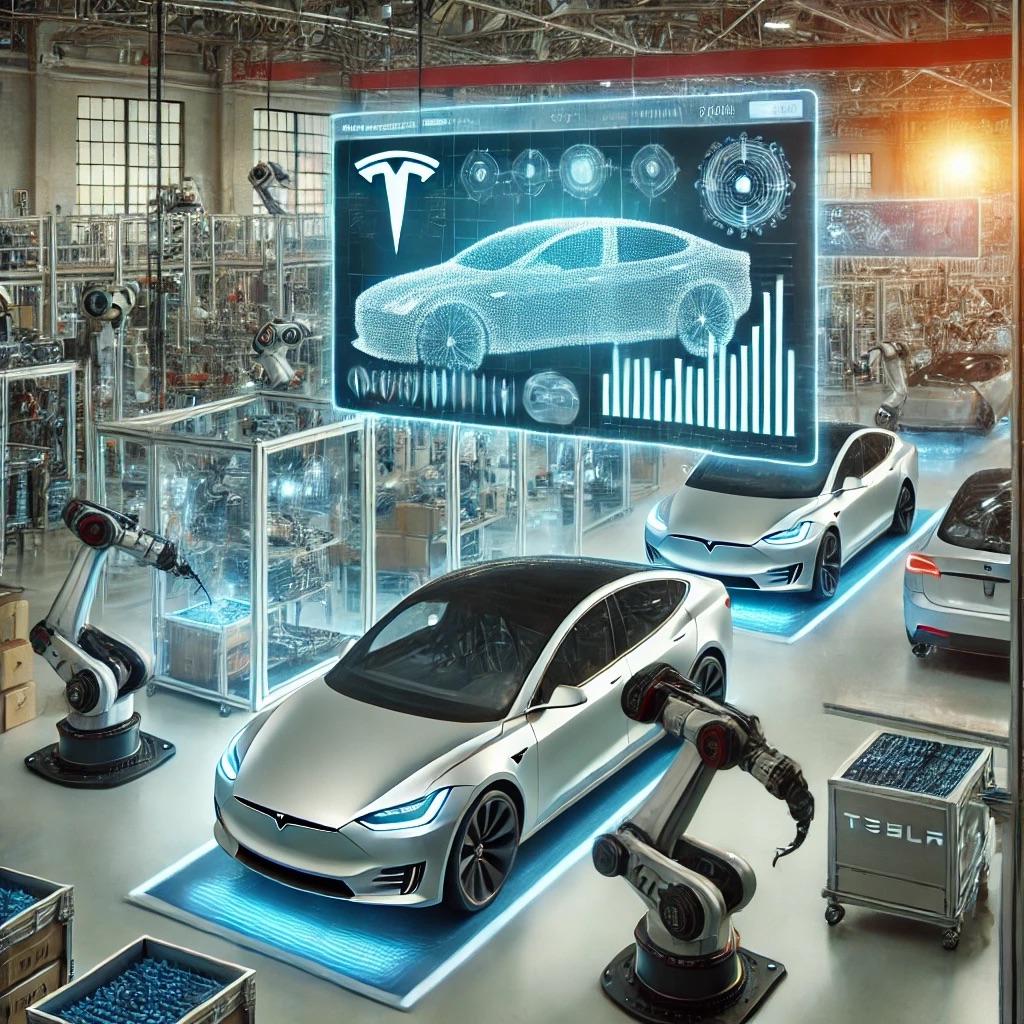
Computers and robots are changing the face of industry.
Industry 3.0 – Computing and Automation Enter Industry
Industry 3.0, which began in the 1970s, transformed industrial production through computers and robots. An example of this is the Fiat Uno Fire, where robots produced the car engines, marking the beginning of the transition to wider automation. The use of robots allowed for the production of high-quality products on a large scale, while reducing human errors and improving accuracy.
This revolution also changed the job market. With the need for new technological skills to operate computerized systems and robots, there was a demand for workers skilled in these areas. However, there was a decrease in demand for traditional manual labor.
Industry 4.0 – Smart and Connected Manufacturing
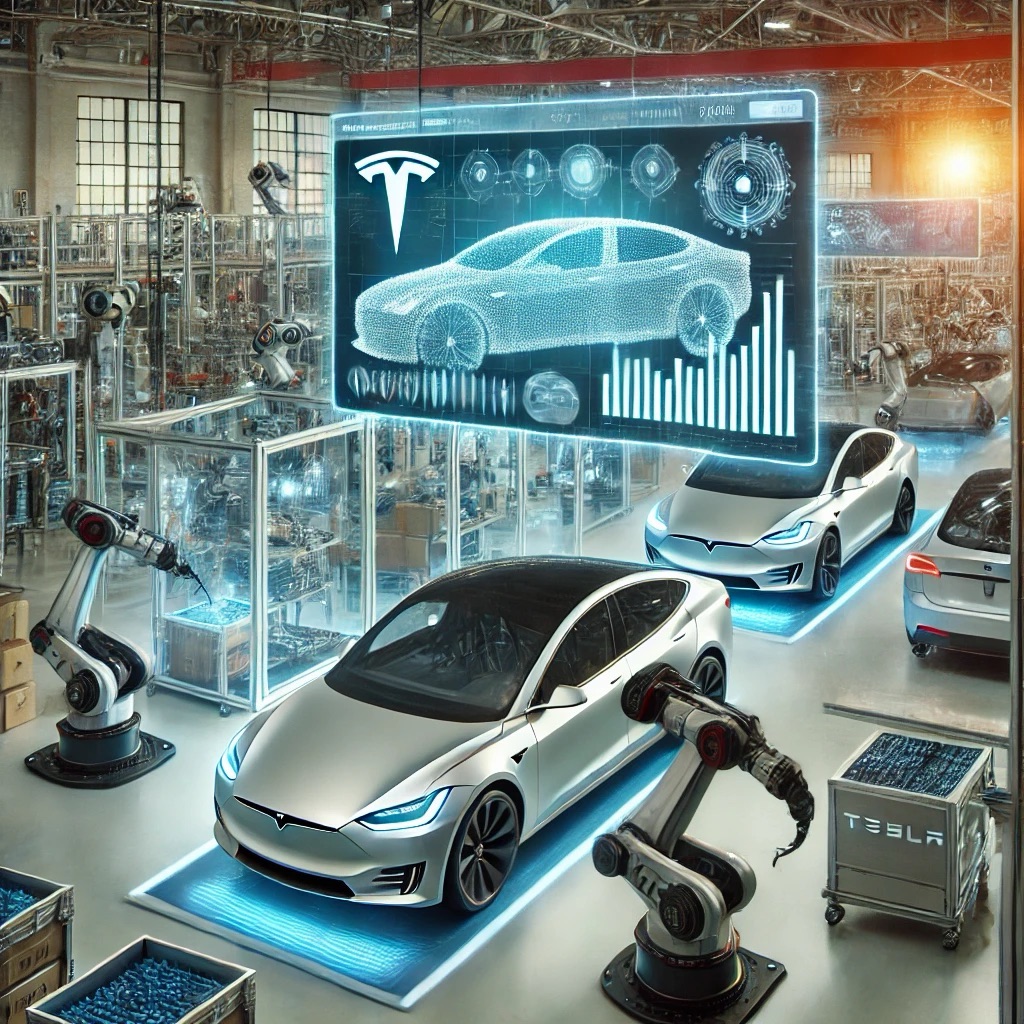
Industry 4.0, which developed in the early 2000s, brings the world of manufacturing to a new level with the integration of advanced technologies such as the Internet of Things (IoT) and artificial intelligence. Tesla’s smart production line is a prominent example of this: Tesla vehicles are connected to a system that analyzes data in real-time and enables improvement of production processes and reduction of malfunctions.
Additionally, Industry 4.0 focuses on “smart factories” where computerized systems operate in full synchronization, make automatic decisions, and improve efficiency. This change has improved production capabilities, reduced costs, and increased flexibility to adapt products to changing needs. This impact has also increased the demand for workers with high technological expertise to maintain and develop these systems.
In the next post, we’ll talk about Industry 5.0 and the forecast for Industry 6.0.
Did you like it? I’d love to hear your feedback.
For more interesting posts, follow the Heart of Management page.
 Heart of Management
Leave a comment