Category: Basis

Basic managerial and leadership issues

  • Regulators and External Bodies – The Rules That Define Reality

    Post 4 of 6 in the Series About My Stakeholders:
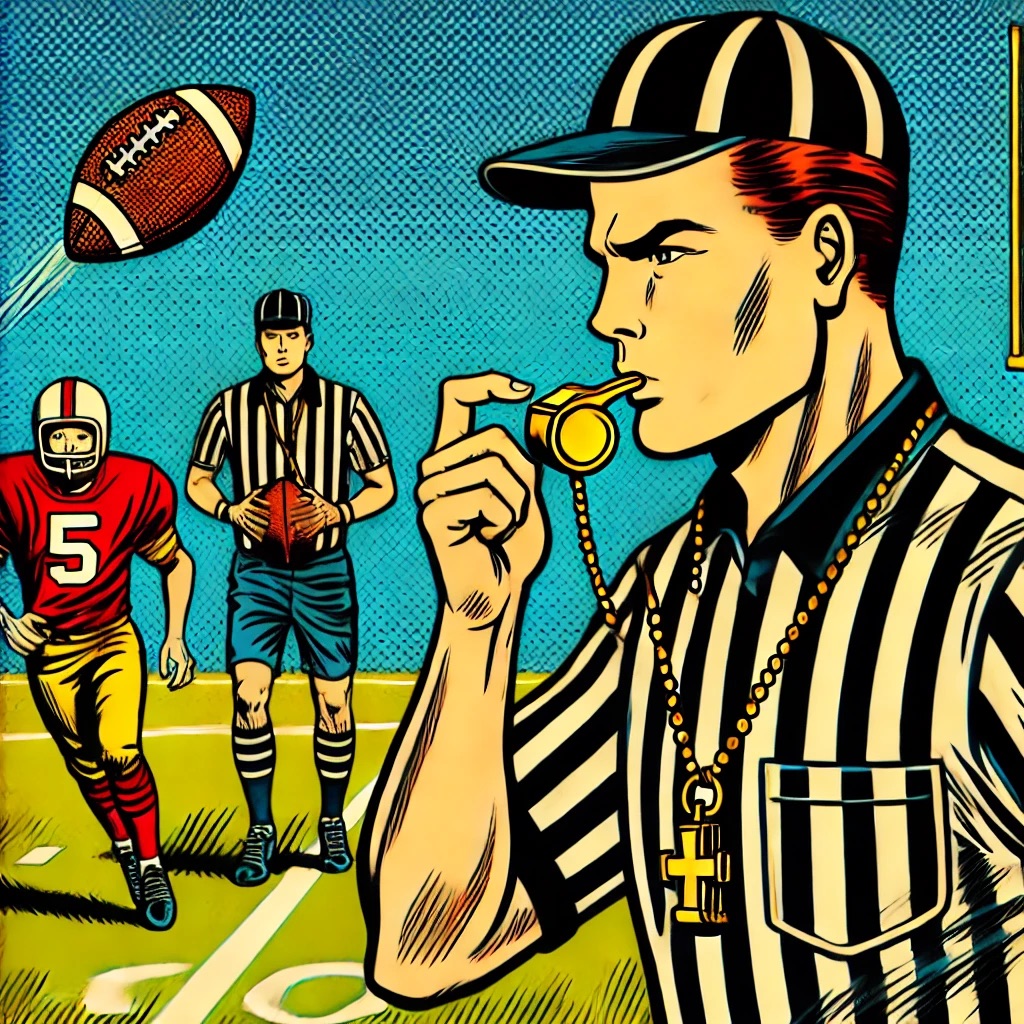
    After discussing your manager, employees, and colleagues, it’s time to move on to especially important external stakeholders – regulators. These are the bodies that dictate the rules and laws within which you manage your organization. Regulators are not a direct part of the organization, but their influence is evident in every decision and process. Of course, not every managerial role has significant regulators as stakeholders; it depends on the field and industry in which you operate.

    Why are regulators so important?

    When we talk about regulation, we mean government or professional bodies that ensure your activity complies with required regulations and standards. As businesses and managers, we are obligated to follow these rules, and sometimes this can be a significant challenge. Therefore, it’s crucial to build good relationships with regulators to ensure your business operates legally and smartly, and that you maintain good relations with them.

    How to manage relationships with regulators?

    The right way to deal with regulators is to create an open dialogue and understand their needs. Although we are required to operate within the rules they dictate, through proper collaboration, we can find ways to streamline the process and ensure that regulators are satisfied with how you manage the business.

    A Field Example: How I Solved a Complex Regulatory Problem

    In the past, I had a project where I was required to meet very strict regulatory conditions. Initially, the relationship with the regulator was tense because it wasn’t clear how to implement their guidelines. After several open meetings and discussions about the needs of both sides, we managed to solve the problem and reach mutual understanding. It was a process that allowed for smooth continuation of work without further delays.

    In the next post, we’ll deal with additional stakeholders: suppliers, customers, competitors, unions, and professional bodies that also influence your performance as a manager.​​​​​​​​​​​​​​​​

  • Your Employees and Colleagues – The Force That Drives You

    Post 3 of 6 in the Series About My Stakeholders:

    The next stakeholders are the people you work with daily – your employees and colleagues. They may not be your direct managers, but they can greatly influence your success as a manager. Often, these are the people you depend on most to execute your plans.

    Why are my employees and colleagues so important?

    Think about it: Your employees are the ones who carry out the most important tasks. How they feel about their role, the instructions they receive, and the treatment they get from you – all of these directly impact their performance, and ultimately, your performance as a manager. Your colleagues, on the other hand, are those working alongside you who can either be partners in your success or make things difficult for you.

    How to build a good relationship with employees and colleagues?

    A good relationship with employees and colleagues is based on listening, support, and collaboration. If you take the time to understand what motivates each of them, you can create an environment where they feel involved and committed to success. This doesn’t mean compromising on requirements or expectations – but you need to know how to communicate them in a way that keeps everyone focused on shared goals.

    A Field Example: How One Conversation Can Change an Employee’s Behavior

    I once had an employee whose problem wasn’t motivation, but behavior – there was a gap between what I expected and how he actually performed. After an open conversation where I explained what I expected and where he wasn’t meeting those expectations, he completely changed his ways. It was amazing to see how improving communication could change the entire team dynamics.

    In the next post, we’ll deal with external stakeholders – regulatory bodies, suppliers, and customers, who also influence the way you work day to day.

  • Your Manager – The Central Figure Who Dictates What You Do

    Post 2 of 6 in the Series About My Stakeholders:

    After understanding who our stakeholders are, it’s time to dive deeper. Let’s start with the central figure who probably influences every decision or action you make as a manager – your direct manager. Whether your manager is a source of inspiration or a challenge for you, they influence your professional direction, decision-making, and your career in general.

    Why is my manager so important?

    Your manager can influence a variety of areas: the goals you need to achieve, your working conditions, career development, and even the balance between work and personal life. Therefore, it’s crucial to understand the relationship with your manager thoroughly – are they acting as a mentor who guides and accompanies you? Or do they prefer to dictate instructions without allowing room for dialogue? Every manager is different, and this has a direct impact on how you work together.

    So how can you improve the relationship with your manager?

    The way to improve this relationship is to understand what your manager truly wants to achieve, and how you can help them with that. Yes, even if you don’t always agree with every decision or approach, identifying your manager’s interests and goals will give you an advantage. A good relationship can open opportunities for you, help you advance, and influence your success in the role.

    A Story from the Field: How I Understood the Difference Between Types of Managers

    In the past, I had an interesting experience with two different managers. One was my partner in every decision, gave space to raise ideas and think together, while the other preferred to dictate instructions and leave me only to execute. This required me to learn to adapt, recognize each of their working styles, and find ways to bridge the gaps. Over time, the manager who was used to giving precise instructions began to trust me more and more, and stopped dictating instructions when he recognized that I knew how to lead independently. Once trust developed, our relationship became a true partnership.

    In the next post, we’ll talk about additional important stakeholders – your employees and colleagues, the people you work alongside daily, who influence your success no less.

  • Who Are Our True Stakeholders?

    Post 1 of 6 in the Series About My Stakeholders:

    Recently, I received some interesting comments.

    People told me: “You write a lot about management, but ultimately, who really influences our actions as managers is our manager.” And this made me think… Right! Our manager is one of a group of people and factors that influence us daily, and each of them has their own interests. Maybe our manager is the most influential, but there are others.

    So I decided to write a series of posts about all those stakeholders who influence us as managers, and one of the most important among them is truly your manager.

    So who are these stakeholders?

    A stakeholder is anyone who can be affected by your decisions and actions. This might sound a bit complex at first, but it’s simpler than it seems. Think about it: this includes your manager, your employees, customers, suppliers, competitors, and even regulatory bodies. Each of them has their own goals, and each can impact your success. Correctly identifying all these stakeholders will help you understand what each of them wants or needs, and thus you can manage more intelligently.

    So why is this so important?

    Because as managers, we don’t operate alone. Every action of ours touches many people around us, and if we don’t understand what each person wants from us, we might miss the point. When we correctly identify stakeholders, we can improve communication, collaborate more effectively, and achieve better results – for ourselves and for them.

    In the next post, we’ll talk about your manager – the central stakeholder who influences you and how you can build a good relationship that will help you succeed in your role.

  • Fourth and final post in the series on Industry X.0: A Journey Through era’s in the industry and a Perspective on the Future

    The journey through Industries 1.0 to 6.0 reveals how much industry has developed and impacted the world. Each industrial revolution changed not only the way we produce, but also how we live, communicate, work, and use resources. These revolutions not only produced more efficient products, but also reshaped the economy, culture, and society itself.

    Looking Back on Industries 1.0 to 6.0

    Industry 1.0 brought mechanization and factory revolution to the world, ushering in the era of mass production, freeing humans from manual production, and enabling production on a scale previously impossible.

    Industry 2.0 continued the change with electricity and production lines, making products available to the wider public and making the world more connected.

    Industry 3.0 introduced computing and automation, making production more precise and effective.

    Industry 4.0 brought a new era where every machine and product can communicate with each other in real-time. These digital technologies sparked another revolution, especially in the field of data and connectivity.

    Industry 5.0 focuses on collaboration between humans and machines, not as a replacement for humanity but as a complement to it. Sustainability is a central pillar, with production focusing not only on efficiency but also on reducing environmental impacts and improving social conditions.

    Industry 6.0, as it appears now, is a forecast for the future that includes innovative technologies such as quantum computing and advanced artificial intelligence, which are still in research and development stages.

    Personal Perspective on Industrial Development

    In my personal opinion, future historians might view Industries 3.0, 4.0, and 5.0 as part of the same broad industrial revolution encompassing automation, computing, and artificial intelligence. Over the years, these technologies have only improved – becoming more efficient, more precise, and more available. The main refinement is not necessarily in new inventions, but in the wider use of existing technologies and making them accessible to all.

    What might be considered the “next industrial revolution” will occur, in my opinion, when we reach full integration between humans and machines. This is a state where humans and machines will work together in such deep collaboration that we won’t be able to distinguish where human thought ends and artificial intelligence begins. This is a vision that evokes excitement and also concern, as it brings with it deep ethical questions about the role of humans in such an industrial future. However, I am not a futurist, and it seems only time will tell how things will actually develop.

    For more interesting posts, follow the Heart of Management page.​​​​​​​​​​​​​​​​

  • Third post in the series on Industry X.0: Industry 5.0 and 6.0 – Collaboration between Humans and Technology.

    Industry 5.0 and 6.0 bring us to a new era where technology and humanity join forces to create innovative solutions and promote sustainability.

    Industry 5.0 – Humans and Machines Collaborate.

    Industry 5.0 focuses on close collaboration between humans and machines, with the goal not only of more efficient production but also an emphasis on environmental and social sustainability. Artificial intelligence and automated technologies function as partners that assist humanity in creating personalized products while considering minimal resources and recycling. An example of this is the Nike By You project (https://www.nike.com/nike-by-you), which allows Mass Customization – personalized production on a large scale while maintaining production efficiency.

    Industry 5.0 aims to create resource-efficient processes, using systems that minimize energy and material use, and incorporate recycling as an integral part of the process. In this generation of industry, which we are only at the beginning of, attempts are also being made to reduce overall environmental impact, while integrating renewable energy and reducing pollutant emissions. Additionally, Industry 5.0 promotes social sustainability, creating a healthier work environment for employees and improving connections with the communities in which it operates.

    Industry 6.0 – Predictions for the Future (Science Fiction).

    Industry 6.0 is still in the realm of futuristic predictions, and forecasts include technologies such as quantum computing, biotechnology, and advanced artificial intelligence, intended to address global challenges such as climate change and resource scarcity. Industry 6.0 aims for a deeper integration between humans, machines, and the environment, but for now, these are just predictions for the future.

    Space Manufacturing – Another Future Vision

    Another interesting direction for Industry 6.0 is space manufacturing. Thanks to unique conditions of low gravity and the ability to utilize external resources such as asteroids and the moon, it’s possible that in the future we’ll be able to produce advanced materials in space that cannot be produced on Earth. Companies like SpaceX and NASA are already conducting experiments on this topic at the International Space Station, aiming to examine these possibilities for manufacturing in different conditions.

    In the next post, I’ll summarize the topic of Industry x.0 and also add my opinion 😊.

    Did you like it? I’d love to hear your feedback.

    For more interesting posts, follow the Heart of Management page.

  • Second post in the series on Industry X.0: Industry 3.0 and 4.0 – The Digital Revolution and Smart Contract Manufacturing.

    Computers and robots are changing the face of industry.

    Industry 3.0 – Computing and Automation Enter Industry

    Industry 3.0, which began in the 1970s, transformed industrial production through computers and robots. An example of this is the Fiat Uno Fire, where robots produced the car engines, marking the beginning of the transition to wider automation. The use of robots allowed for the production of high-quality products on a large scale, while reducing human errors and improving accuracy.

    This revolution also changed the job market. With the need for new technological skills to operate computerized systems and robots, there was a demand for workers skilled in these areas. However, there was a decrease in demand for traditional manual labor.

    Industry 4.0 – Smart and Connected Manufacturing

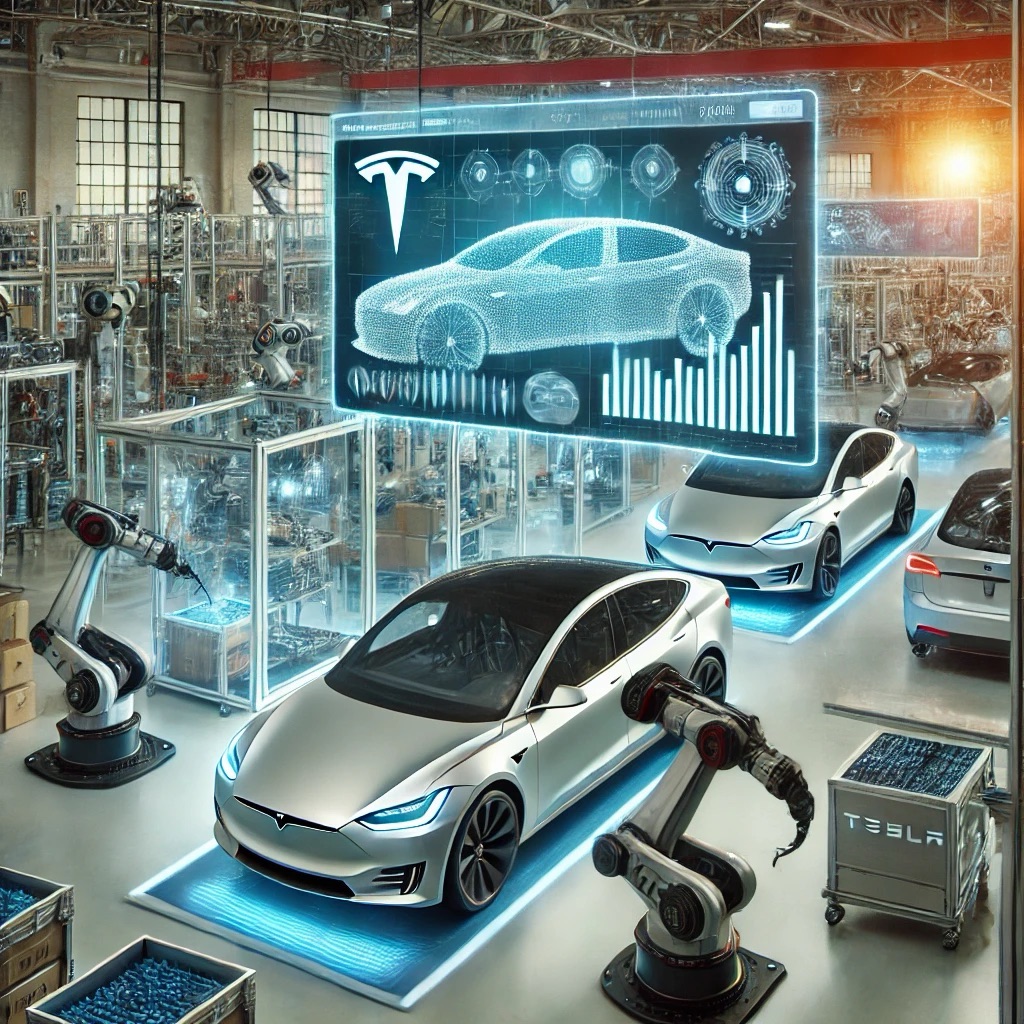
    Industry 4.0, which developed in the early 2000s, brings the world of manufacturing to a new level with the integration of advanced technologies such as the Internet of Things (IoT) and artificial intelligence. Tesla’s smart production line is a prominent example of this: Tesla vehicles are connected to a system that analyzes data in real-time and enables improvement of production processes and reduction of malfunctions.

    Additionally, Industry 4.0 focuses on “smart factories” where computerized systems operate in full synchronization, make automatic decisions, and improve efficiency. This change has improved production capabilities, reduced costs, and increased flexibility to adapt products to changing needs. This impact has also increased the demand for workers with high technological expertise to maintain and develop these systems.

    In the next post, we’ll talk about Industry 5.0 and the forecast for Industry 6.0.

    Did you like it? I’d love to hear your feedback.

    For more interesting posts, follow the Heart of Management page.​​​​​​​​​​​​​​​​

  • First post in a series about Industry X.0:

    Industry 1.0 and 2.0 – The Mechanization and Mass Production Revolution

    The First Industrial Revolutions: From Early Machines to the Assembly Line.

    In recent years, there has been widespread use of the term Industry 4.0. I decided to deviate from my usual practice and engage in a historical review of the various stages of industrial development from its beginning, even before we reached the latest revolutions.

    It’s important to remember that even before the industrial era, people produced products like horseshoes or weapons, but production was based on craftsmen and not industrial on a large scale.

    Industry 1.0 – Mechanization Comes to Production.

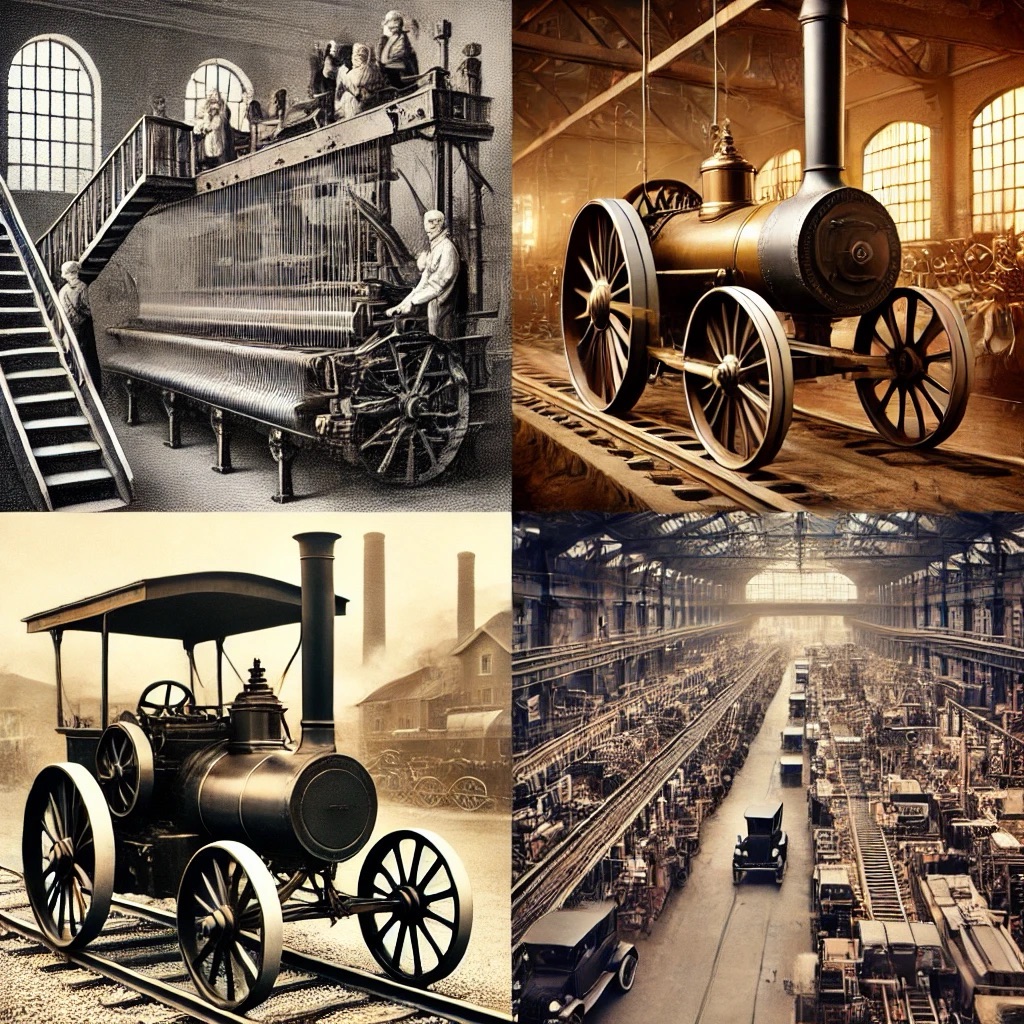
    The first industrial revolution in the 18th century brought about a dramatic change. Instead of manual production, machines began to take part in the process. A prominent example is Edmund Cartwright’s power loom, which enabled faster production of fabrics.

    Steam engines were the basis for the first factories. Industry also influenced transportation, with the production of locomotives and railways, allowing faster and more efficient transportation of goods and people. The result was economic prosperity and a profound change in social structure.

    Industry 2.0 – Mass Production Comes into Play.

    At the end of the 19th century, with the development of electricity and the invention of production lines, the world saw another revolution. An iconic example is the Ford Model T, the first car produced on a mass production line. Production lines led to cheaper manufacturing and made the car accessible to broader classes. In addition, urban growth was made possible thanks to industrial and transportation developments. Industry 2.0 created the ability to produce enormous quantities of products and change the global economic and social structure.

    In the next post, we’ll talk about Industry 3.0 and 4.0.

    Did you like it? I’d love to hear your feedback.

    And for more interesting posts, follow the Heart of Management page.

  • Final post (6) in the series on motivation, where we find the common denominators among all theories.

    These are things that, if we do them, will undoubtedly increase the motivation of the employees we manage.

    After examining five central motivation theories, we can identify several shared principles that interconnect and complement each other. Understanding the common ground between these theories can help managers create effective management strategies that promote motivation, satisfaction, and a sense of meaning in employees’ work.

    Meaning and Self-Actualization

    All theories emphasize the importance of meaning and self-actualization at work:

    • Viktor Frankl: Searching for meaning as a central component of motivation.

    • Maslow: Self-actualization as the highest need in the hierarchy of needs.

    • Herzberg: Motivators such as achievements and recognition that lead to satisfaction.

    • Deci and Ryan: Autonomy, competence, and relatedness as promoters of intrinsic motivation.

    • Schein: Behaviors that create a supportive and meaningful organizational culture.

    Personal Development and Growth

    The need for personal development and learning recurs in all theories:

    • Maslow: The need for self-actualization includes growth and development.

    • Herzberg: Personal development as an important motivator.

    • Deci and Ryan: Sense of competence and opportunities for professional growth.

    • Schein: Creating an organizational culture that promotes continuous learning and development.

    Human Connections and Belonging

    A sense of belonging and meaningful human connections are central components:

    • Maslow: The need for belonging and love.

    • Deci and Ryan: Relatedness as a basic need for intrinsic motivation.

    • Schein: Creating an organizational culture that promotes connections and collaboration.

    Working Conditions

    Creating proper and healthy working conditions:

    • Maslow: Satisfying physiological needs and safety.

    • Herzberg: Hygiene factors such as working conditions and adequate pay.

    • Schein: Behaviors that promote a supportive and safe work culture.

    Implementing the Common Ground in Management

    To create a work environment that promotes motivation and satisfaction, managers should integrate the various insights:

    1. Meaning and self-actualization: Provide employees with interesting and challenging work and help them find meaning in their work.

    2. Personal development: Encourage continuous learning and professional development, and offer training and advancement opportunities.

    3. Human connections and belonging: Create a positive and supportive organizational culture, and encourage collaboration and open communication.

    4. Proper working conditions: Ensure safe and comfortable working conditions, provide adequate pay, and maintain good relationships between all levels of the organization.

    Summary

    Finding the common ground among leading theories of work motivation offers a broad and comprehensive management framework. By combining these insights, managers can create a work environment that promotes motivation, satisfaction, and a sense of meaning. Understanding the different theories and implementing them in a balanced way allows managers to lead teams more successfully and efficiently.

    If you have questions or would like to hear more about ways to improve management and lead your teams, contact us. We are here to help you find meaning in your work and lead your organization to success.

  • Post 5 in the series on motivation:

    Edgar Schein’s Organizational

    Culture – Behavior Creates Culture

    Edgar Schein, an American organizational psychologist, developed the three-layer model of organizational culture, describing how individuals’ behaviors in an organization influence the overall culture of the organization. Organizational culture is a combination of values, beliefs, norms, and behaviors that shape how people in an organization communicate, work, and make decisions. Understanding Schein’s model can help managers create a positive organizational culture that promotes motivation and satisfaction.

    Three Layers of Organizational Culture

    1. Artifacts: The visible and obvious things like office design, employee dress code, and organizational rituals. These are the external signs of organizational culture.

    2. Values: The principles and standards that guide behavior in the organization. These values represent what the organization sees as important and central.

    3. Basic Assumptions: The deep-seated beliefs and perceptions that are taken for granted within the organization and are not easily discernible. These are the deepest foundations of organizational culture.

    How Behavior Creates Culture

    Schein suggests that the visible behaviors of managers and employees directly influence the organization’s basic assumptions, and ultimately create the organizational culture. These behaviors include:

    • Transparency: Managers who share decisions and developments with employees convey trust and inspire trust. This creates a culture of openness.

    • Listening: Managers who dedicate time to listen to their employees’ needs and suggestions promote a culture of collaboration.

    • Mutual Respect: Managers who treat every employee with respect and equality contribute to a culture of mutual respect and appreciation.

    Creating a Positive Organizational Culture

    To create a positive organizational culture that promotes motivation and satisfaction, managers should focus on the following points:

    1. Personal Example: Managers need to set a personal example and act according to the values they want to see in the organization. Managers’ behavior will directly influence employee behavior.

    2. Effective Communication: Encourage open and transparent communication at all levels of the organization. When communication is open, employees feel more connected to the organization’s goals and their sense of belonging strengthens.

    3. Team Development: Create opportunities for professional and personal development of employees. Workshops, courses, and training can improve employees’ abilities and increase their sense of competence.

    4. Recognition and Appreciation: Regularly recognize employees’ contributions and achievements. Recognition and appreciation not only improve satisfaction but also increase motivation.

    5. Fostering Empathy and Respect: Ensure respectful and empathetic treatment towards every employee. Empathy and respect are foundations for a positive organizational culture that contributes to satisfaction and a sense of meaning.

    Summary

    Edgar Schein offers us a deep understanding of how behavior creates culture in an organization. By creating a positive organizational culture that promotes values such as transparency, listening, and mutual respect, managers can increase employee motivation and satisfaction. Understanding and implementing Schein’s insights can improve leadership and contribute to the organization’s success.

    If you have questions or would like to hear more about ways to improve management and lead your teams, contact us. We are here to help you find meaning in your work and lead your organization to success.