The journey through Industries 1.0 to 6.0 reveals how much industry has developed and impacted the world. Each industrial revolution changed not only the way we produce, but also how we live, communicate, work, and use resources. These revolutions not only produced more efficient products, but also reshaped the economy, culture, and society itself.
Looking Back on Industries 1.0 to 6.0
Industry 1.0 brought mechanization and factory revolution to the world, ushering in the era of mass production, freeing humans from manual production, and enabling production on a scale previously impossible.
Industry 2.0 continued the change with electricity and production lines, making products available to the wider public and making the world more connected.
Industry 3.0 introduced computing and automation, making production more precise and effective.
Industry 4.0 brought a new era where every machine and product can communicate with each other in real-time. These digital technologies sparked another revolution, especially in the field of data and connectivity.
Industry 5.0 focuses on collaboration between humans and machines, not as a replacement for humanity but as a complement to it. Sustainability is a central pillar, with production focusing not only on efficiency but also on reducing environmental impacts and improving social conditions.
Industry 6.0, as it appears now, is a forecast for the future that includes innovative technologies such as quantum computing and advanced artificial intelligence, which are still in research and development stages.
Personal Perspective on Industrial Development
In my personal opinion, future historians might view Industries 3.0, 4.0, and 5.0 as part of the same broad industrial revolution encompassing automation, computing, and artificial intelligence. Over the years, these technologies have only improved – becoming more efficient, more precise, and more available. The main refinement is not necessarily in new inventions, but in the wider use of existing technologies and making them accessible to all.
What might be considered the “next industrial revolution” will occur, in my opinion, when we reach full integration between humans and machines. This is a state where humans and machines will work together in such deep collaboration that we won’t be able to distinguish where human thought ends and artificial intelligence begins. This is a vision that evokes excitement and also concern, as it brings with it deep ethical questions about the role of humans in such an industrial future. However, I am not a futurist, and it seems only time will tell how things will actually develop.
For more interesting posts, follow the Heart of Management page.
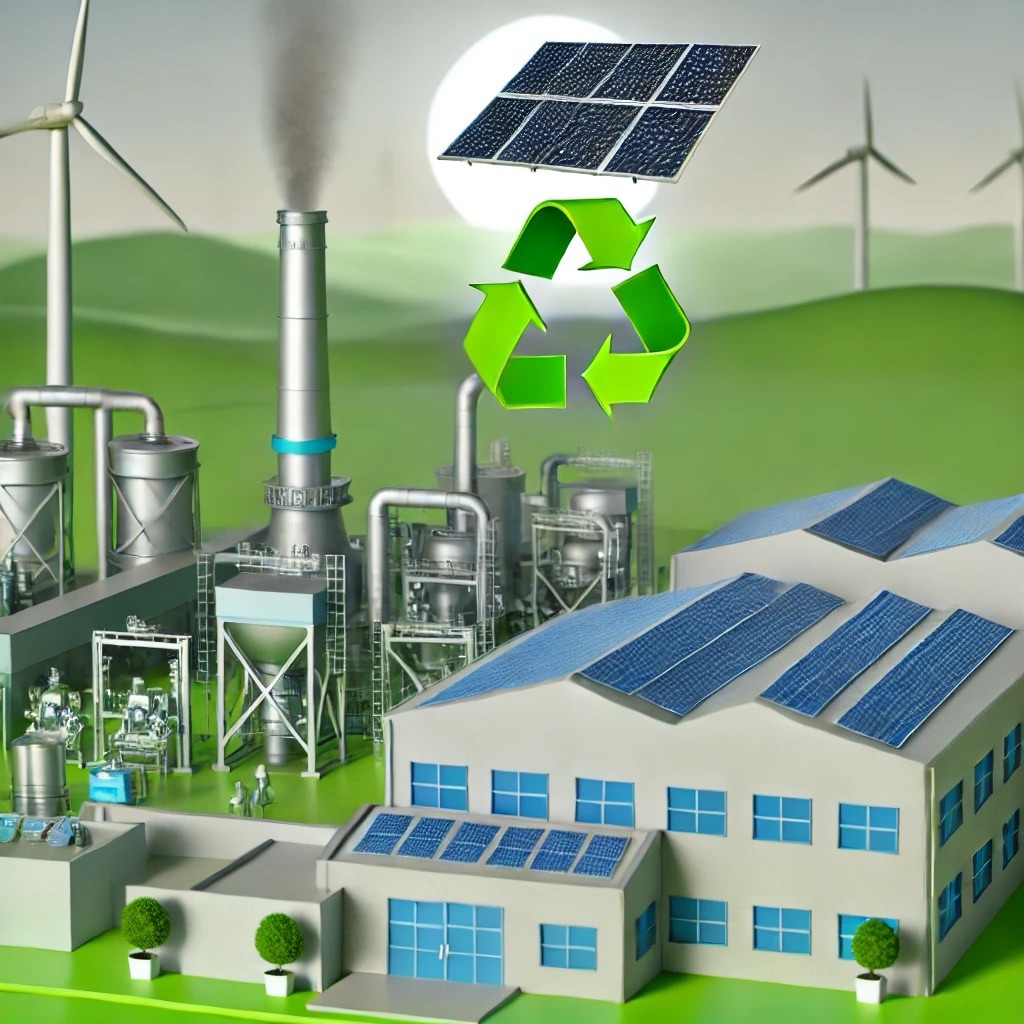
Industry 5.0 and 6.0 bring us to a new era where technology and humanity join forces to create innovative solutions and promote sustainability.
Industry 5.0 – Humans and Machines Collaborate.
Industry 5.0 focuses on close collaboration between humans and machines, with the goal not only of more efficient production but also an emphasis on environmental and social sustainability. Artificial intelligence and automated technologies function as partners that assist humanity in creating personalized products while considering minimal resources and recycling. An example of this is the Nike By You project (https://www.nike.com/nike-by-you), which allows Mass Customization – personalized production on a large scale while maintaining production efficiency.
Industry 5.0 aims to create resource-efficient processes, using systems that minimize energy and material use, and incorporate recycling as an integral part of the process. In this generation of industry, which we are only at the beginning of, attempts are also being made to reduce overall environmental impact, while integrating renewable energy and reducing pollutant emissions. Additionally, Industry 5.0 promotes social sustainability, creating a healthier work environment for employees and improving connections with the communities in which it operates.
Industry 6.0 – Predictions for the Future (Science Fiction).
Industry 6.0 is still in the realm of futuristic predictions, and forecasts include technologies such as quantum computing, biotechnology, and advanced artificial intelligence, intended to address global challenges such as climate change and resource scarcity. Industry 6.0 aims for a deeper integration between humans, machines, and the environment, but for now, these are just predictions for the future.
Space Manufacturing – Another Future Vision
Another interesting direction for Industry 6.0 is space manufacturing. Thanks to unique conditions of low gravity and the ability to utilize external resources such as asteroids and the moon, it’s possible that in the future we’ll be able to produce advanced materials in space that cannot be produced on Earth. Companies like SpaceX and NASA are already conducting experiments on this topic at the International Space Station, aiming to examine these possibilities for manufacturing in different conditions.
In the next post, I’ll summarize the topic of Industry x.0 and also add my opinion 😊.
Did you like it? I’d love to hear your feedback.
For more interesting posts, follow the Heart of Management page.
Computers and robots are changing the face of industry.
Industry 3.0 – Computing and Automation Enter Industry
Industry 3.0, which began in the 1970s, transformed industrial production through computers and robots. An example of this is the Fiat Uno Fire, where robots produced the car engines, marking the beginning of the transition to wider automation. The use of robots allowed for the production of high-quality products on a large scale, while reducing human errors and improving accuracy.
This revolution also changed the job market. With the need for new technological skills to operate computerized systems and robots, there was a demand for workers skilled in these areas. However, there was a decrease in demand for traditional manual labor.
Industry 4.0 – Smart and Connected Manufacturing
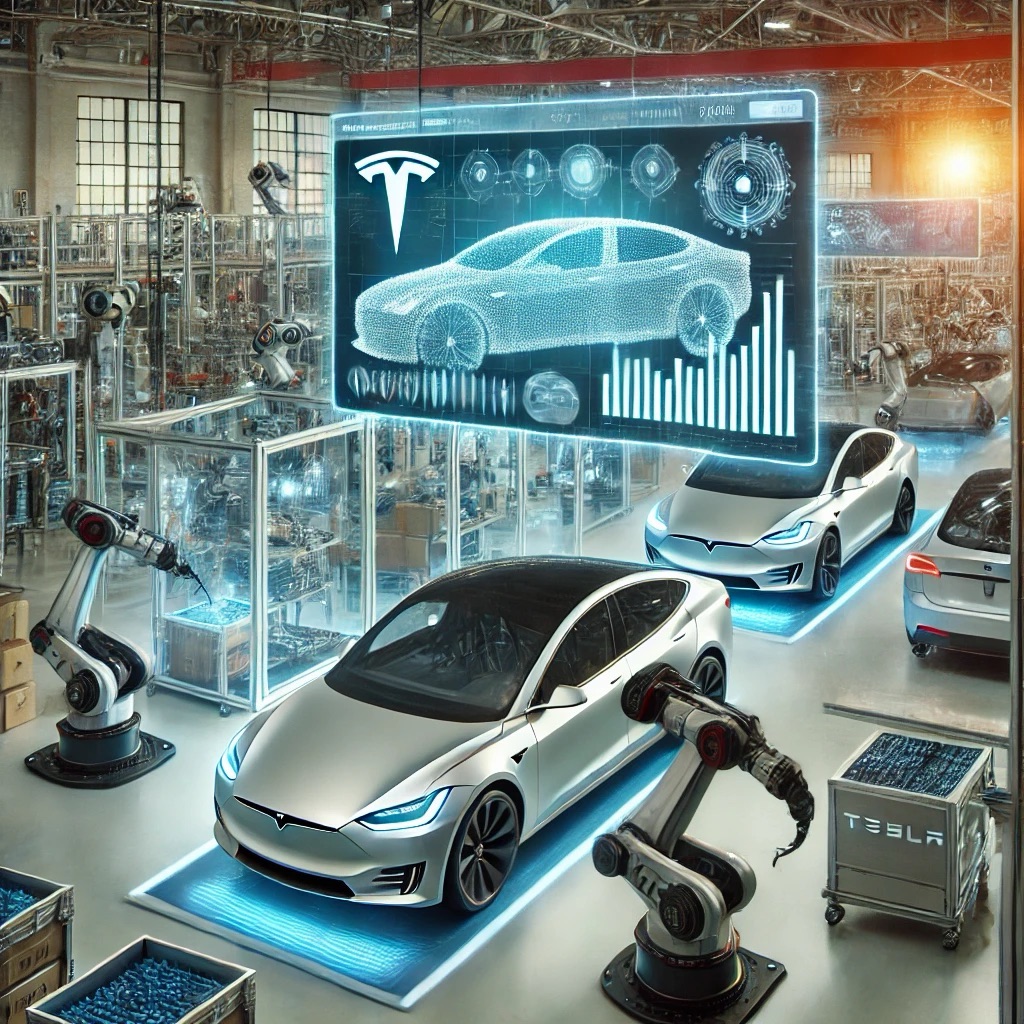
Industry 4.0, which developed in the early 2000s, brings the world of manufacturing to a new level with the integration of advanced technologies such as the Internet of Things (IoT) and artificial intelligence. Tesla’s smart production line is a prominent example of this: Tesla vehicles are connected to a system that analyzes data in real-time and enables improvement of production processes and reduction of malfunctions.
Additionally, Industry 4.0 focuses on “smart factories” where computerized systems operate in full synchronization, make automatic decisions, and improve efficiency. This change has improved production capabilities, reduced costs, and increased flexibility to adapt products to changing needs. This impact has also increased the demand for workers with high technological expertise to maintain and develop these systems.
In the next post, we’ll talk about Industry 5.0 and the forecast for Industry 6.0.
Did you like it? I’d love to hear your feedback.
For more interesting posts, follow the Heart of Management page.
Edgar Schein, an American organizational psychologist, developed the three-layer model of organizational culture, describing how individuals’ behaviors in an organization influence the overall culture of the organization. Organizational culture is a combination of values, beliefs, norms, and behaviors that shape how people in an organization communicate, work, and make decisions. Understanding Schein’s model can help managers create a positive organizational culture that promotes motivation and satisfaction.
Three Layers of Organizational Culture
1. Artifacts: The visible and obvious things like office design, employee dress code, and organizational rituals. These are the external signs of organizational culture.
2. Values: The principles and standards that guide behavior in the organization. These values represent what the organization sees as important and central.
3. Basic Assumptions: The deep-seated beliefs and perceptions that are taken for granted within the organization and are not easily discernible. These are the deepest foundations of organizational culture.
How Behavior Creates Culture
Schein suggests that the visible behaviors of managers and employees directly influence the organization’s basic assumptions, and ultimately create the organizational culture. These behaviors include:
• Transparency: Managers who share decisions and developments with employees convey trust and inspire trust. This creates a culture of openness.
• Listening: Managers who dedicate time to listen to their employees’ needs and suggestions promote a culture of collaboration.
• Mutual Respect: Managers who treat every employee with respect and equality contribute to a culture of mutual respect and appreciation.
Creating a Positive Organizational Culture
To create a positive organizational culture that promotes motivation and satisfaction, managers should focus on the following points:
1. Personal Example: Managers need to set a personal example and act according to the values they want to see in the organization. Managers’ behavior will directly influence employee behavior.
2. Effective Communication: Encourage open and transparent communication at all levels of the organization. When communication is open, employees feel more connected to the organization’s goals and their sense of belonging strengthens.
3. Team Development: Create opportunities for professional and personal development of employees. Workshops, courses, and training can improve employees’ abilities and increase their sense of competence.
4. Recognition and Appreciation: Regularly recognize employees’ contributions and achievements. Recognition and appreciation not only improve satisfaction but also increase motivation.
5. Fostering Empathy and Respect: Ensure respectful and empathetic treatment towards every employee. Empathy and respect are foundations for a positive organizational culture that contributes to satisfaction and a sense of meaning.
Summary
Edgar Schein offers us a deep understanding of how behavior creates culture in an organization. By creating a positive organizational culture that promotes values such as transparency, listening, and mutual respect, managers can increase employee motivation and satisfaction. Understanding and implementing Schein’s insights can improve leadership and contribute to the organization’s success.
If you have questions or would like to hear more about ways to improve management and lead your teams, contact us. We are here to help you find meaning in your work and lead your organization to success.
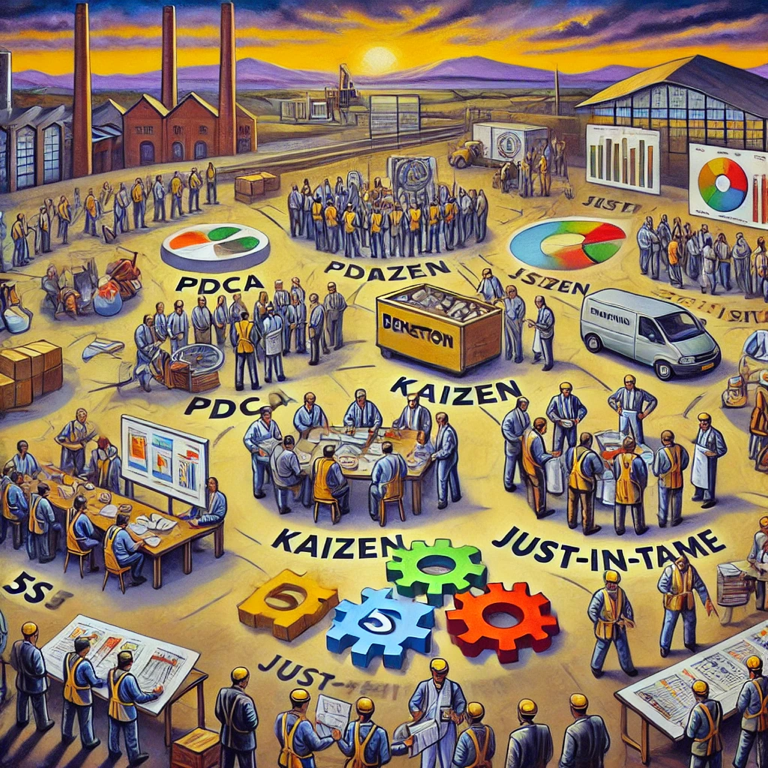
Lean management includes a variety of tools and methods designed to improve efficiency, quality, and value in organizations. Tools such as Kaizen, 5S, Just-In-Time, Kanban, Value Stream Mapping, and A3 all integrate with the PDCA cycle and create a system of continuous improvement.
For example, Kaizen allows employees at all levels to participate in the continuous improvement process by identifying problems and implementing small but significant solutions. 5S helps maintain an organized and clean work environment, contributing to efficiency and safety. Just-In-Time ensures precise production and delivery on time, reducing inventory and waste. By implementing Kanban, organizations can improve workflow and ensure that each station receives the necessary materials on time. Value Stream Mapping identifies waste in the process and allows for continuous improvement. The A3 tool enables organizations to address problems in a structured and focused manner.
By using these tools, organizations can improve the efficiency, quality, and value they provide to their customers. Lean management is based on the principles of continuous improvement, identifying and removing waste, and collaboration between all parts of the organization. When these tools are integrated with the PDCA cycle, an integrated and effective system for continuous improvement is created in all areas of organizational activity.
For instance, a clothing manufacturing company can use Kaizen to improve cutting and sewing processes by identifying problems in the process and implementing small but significant solutions. Simultaneously, they can use 5S to organize and clean work stations, contributing to efficiency and safety. Through Just-In-Time, they can ensure that the required materials arrive at exactly the right time, reducing inventory and waste. By implementing Kanban, they can improve workflow and ensure that each station receives the necessary materials on time. Through Value Stream Mapping, they can identify waste in the process and improve the flow and added value for their customers.
Lean management and the PDCA cycle are powerful tools that allow organizations to continuously improve their processes and achieve optimal results. With the right combination of these tools, it’s possible to create a culture of continuous improvement and reach new levels of efficiency and quality.
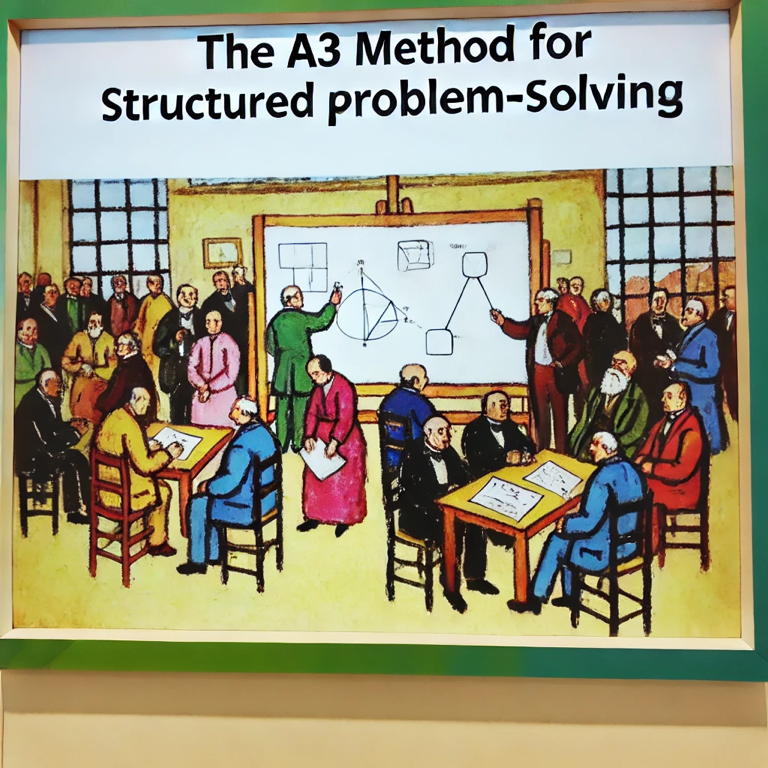
The A3 is a widely used tool in lean management that integrates excellently with the PDCA cycle. A3 is a document or process for problem-solving, continuous improvement, and project planning, named after the paper size used (A3 size). The A3 is structured to contain all stages of the PDCA cycle, making it an efficient tool for continuous improvement in organizations.
In planning, the A3 includes problem description, current state analysis, data collection, and defining improvement goals. In execution, it includes implementing proposed solutions and changes in processes. In checking, the A3 allows for evaluating results and comparing them to defined goals. In action, it enables decision-making on next steps, whether the achieved improvement is sufficient or if additional changes are needed.
For example, a production department can use the A3 tool to address the issue of material waste in the production process. In planning, they will define the problem and analyze the current situation, collect data, and set improvement goals. In execution, they will implement proposed solutions, such as changes in the cutting process or using different materials. In checking, they will evaluate the results and verify if the achieved improvement meets the defined goals. In action, they will decide if the changes made are sufficient or if further improvements are needed.
The A3 allows organizations to address problems in a structured and focused manner, using the PDCA cycle for continuous improvement. It is an effective tool for improving processes, reducing waste, and increasing quality in all areas of organizational activity.
Value Stream Mapping is a tool for mapping and understanding the flow of materials and information in the production process. The goal is to identify waste and improve efficiency and value in the process. VSM integrates with the PDCA cycle in all its stages: In planning, the need for value stream mapping is identified and an action plan is prepared. In execution, the mapping is carried out and the data is analyzed. In checking, changes are evaluated and results are measured. In action: decisions are made on the changes required for continued improvement.
For example, in a manufacturing plant, a team may identify a problem in the production process where there is waste and downtime. In planning, they will prepare a plan for value stream mapping and identify the stations where there are issues. In execution, they will perform the mapping and collect data on the flow of materials and information. In checking, they will analyze the data and identify waste. In action, they will prepare a plan to improve the process and implement the necessary changes.
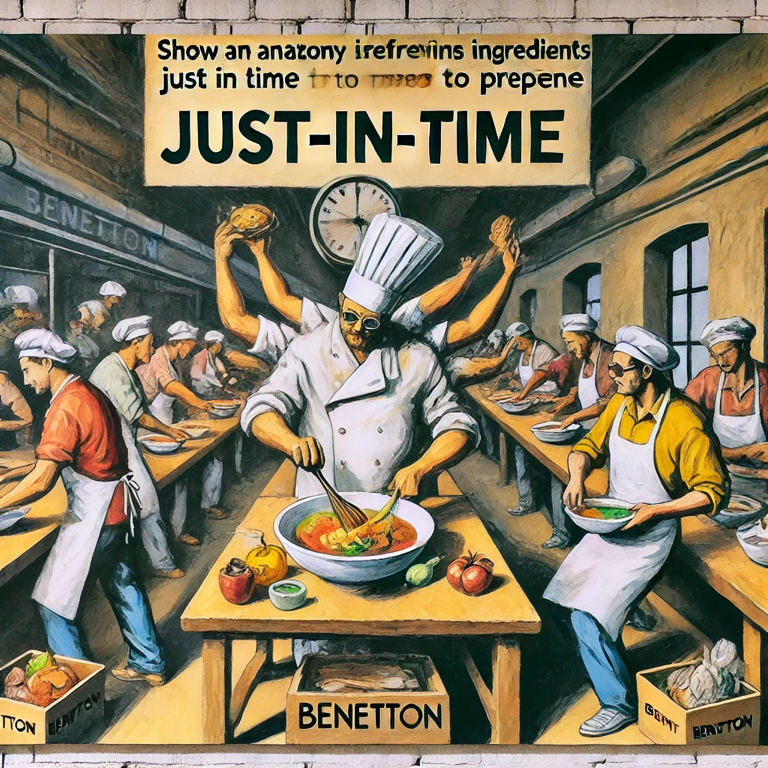
Just-In-Time is a tool for managing the flow of materials and production in an organization precisely and efficiently. The goal is to produce and supply products exactly when needed, to minimize inventory and waste. JIT integrates with the PDCA cycle at all stages: In planning, the need for precise timing is identified and a plan for implementing JIT is prepared. In execution, the plan is implemented and the flow of materials and production is managed. In checking, changes are evaluated and results are measured. In action, decisions are made on the changes required to continue implementing JIT.
Additionally, it’s important to understand the principles of the seven wastes in lean management, also known as the eight wastes. The wastes include:
Waiting – Waiting time for workers, equipment, or materials.
Transportation – Unnecessary movements of materials or products.
Over-processing – Performing steps in the process that don’t add value.
Inventory – Storing excess inventory.
Unnecessary motion – Unnecessary body movements of workers.
Defects – Defective products requiring repair or replacement.
For example, in a manufacturing plant, a team might identify a problem with excessive inventory causing waste of space and resources. In planning, they would prepare a plan to implement JIT and reduce inventory. In execution, they would manage the flow of materials precisely. In checking, they would measure the improvement in performance and inventory. In action, they would establish procedures to maintain precise timing and minimize inventory.
Kanban is a tool for managing workflow in the production process. The method uses cards to manage and control workflow, and incorporates lean management principles. Kanban integrates with the PDCA cycle at all stages: In planning, the need to improve workflow is identified and a plan for implementing Kanban is prepared. In execution, the method is implemented and the flow of cards is managed. In checking, changes are evaluated and results are measured. In action, decisions are made on the changes required to continue implementing Kanban.
For example, in a manufacturing plant, a team might identify a problem in the production process where there are delays and long queues at various workstations. In planning, they would prepare a plan to implement Kanban and reduce queues. In execution, they would manage the flow of cards precisely and ensure each station receives cards on time. In checking, they would measure the improvement in performance and queue times. In action, they would establish procedures to maintain precise and efficient workflow.
Kaizen is one of the central tools in lean management, focusing on continuous improvement of processes and operations in an organization. The method is based on the principle of small and constant improvements and encourages all employees to take part in the improvement process. Kaizen integrates well with the PDCA cycle according to the following stages: In planning, areas requiring improvement are identified and solutions are planned. In execution, the necessary changes are implemented. In checking, the changes are evaluated and the results are analyzed. In action, decisions are made on the changes needed for further improvement.
For example, in a manufacturing plant, a Kaizen team can identify an area in the factory where time is wasted due to inefficient work processes. In the planning stage, they will analyze the current situation and find solutions for improvement. In execution, they will implement the proposed changes. In checking, they will measure the improvement in performance. In action, they will decide if the improvement is sufficient or if additional changes are needed.
5S is a tool for organizing and arranging the work environment to create an efficient, safe, and clean workplace. The tool includes five stages: Sort, Set in order, Shine, Standardize, and Sustain. 5S integrates with the PDCA cycle in all its stages: In planning, the need for organization and arrangement is identified and an action plan is prepared. In execution, the plan is implemented and the work environment is organized. In checking, the changes are evaluated and the results are measured. In action, decisions are made on the changes needed to maintain order and cleanliness.
For example, in a manufacturing plant, a team can identify an area where there is an overload of unnecessary items causing waste of time in searching for tools and materials. In planning, they will prepare a plan for arranging and removing unnecessary items. In execution, they will organize the area and perform cleaning. In checking, they will measure the improvement in performance and work time. In action, they will establish procedures for maintaining order and cleanliness.



 Heart of Management