Hi there, today’s post might seem theoretical or philosophical but it is very important and has a practical end, so please bear with us.
One definition of values is the belief of a person or a social group in which they have an emotional investment. This definition of values doesn’t include any reference to whether the values are “good” or “bad” (of course the perception if something is good or bad is subjective). Even a criminal has values (although they might be very different from the values an ordinary man withholds). When we talk about “values”, our definition is a little more specific. For us values indeed involve a deep emotional investment, but they also include an association with a code of conduct. Our values dictate the way we believe we should behave in many situations. For instance, if one of our values is honesty, it immediately dictates that we’ll do whatever we can in order to tell the truth.
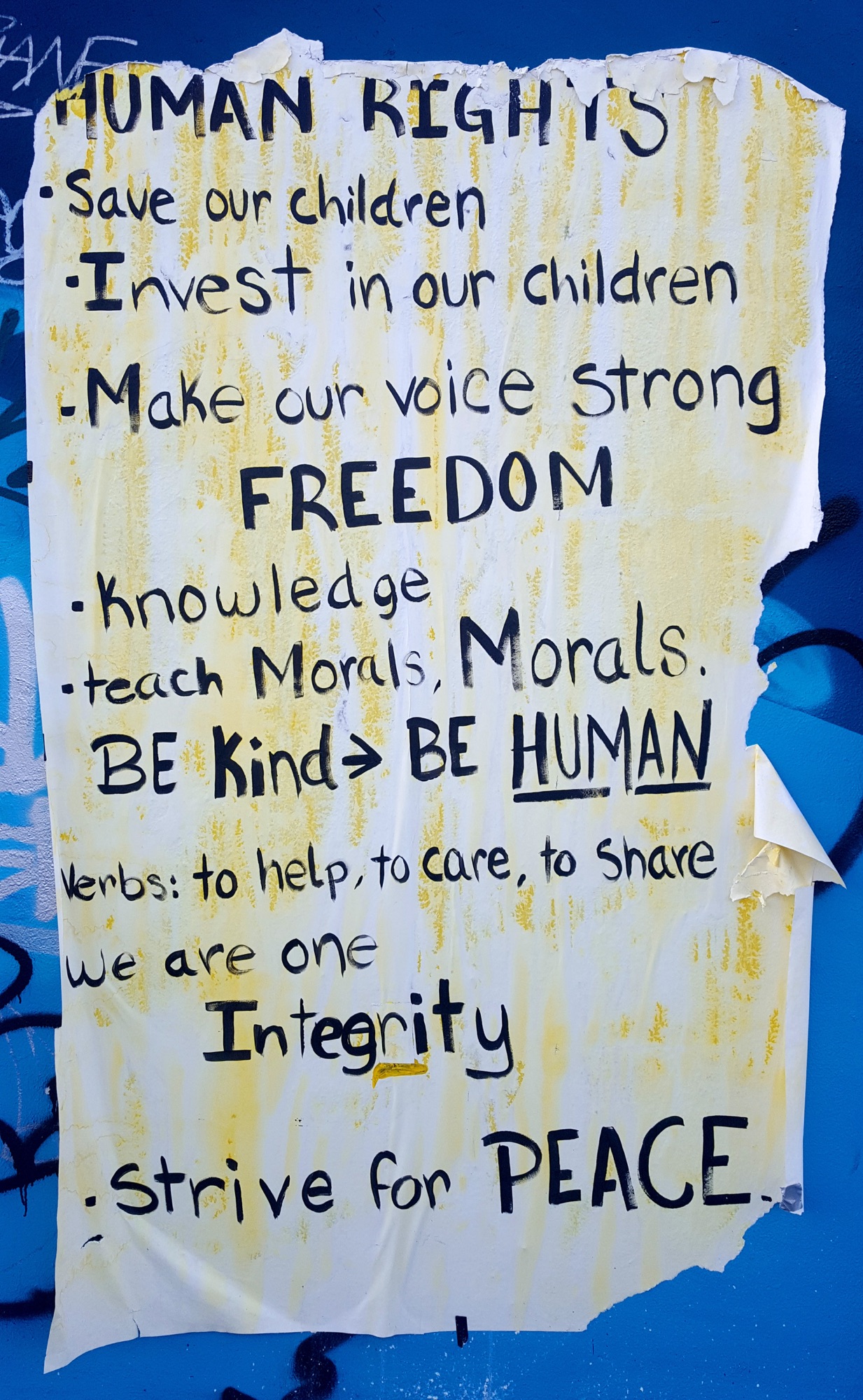
Our definition for integrity is how much one is committed to his own values. Again a little different from the dictionary where integrity stands for “moral soundness”. According to our definition if someone’s set of values include the value of honesty and he lies occasionally, it means that his integrity is questionable.
Having a high level of integrity is critical when leading people for these reasons:
1. If you and the people you lead share the same values, then following you when you stand up for those values is much easier for your followers.
2. Even if you don’t share exactly the same values, following your values consistently will make your behaviors more understandable and predictable, thus increasing both self confidence and trust of the people you lead.
Things become more complex when there is a conflict between different values you hold. For instance, if you hold the value of being polite and the value of honesty, a conflict between those two might arise (as often happens in many cultures). Such a dilemma can be solved if you are able to understand the importance of each value, which value is more important to you, which one is higher in the values hierarchy. A conflict we encountered a few times in the past was the dilemma between being honest (i.e. telling the truth) and causing harm to someone not only by confronting him with some inconvenient criticism but also damaging his self confidence and self esteem when he really needed those. Such conflicts between different values are common in daily life as well as in many managerial situations. It is really important to be able to identify those conflicts and to consciously determine which action should be taken according to the situation and which value prevails in that situation. Being able to do so will keep your high level of integrity and will enable you to explain your decisions and actions even in the more complex situations you encounter. One of our next posts is going to around the subject of giving feedback were such conflict is inherent in the process.
 Heart of Management