Tag: personal-growth

  • Post 5 in the series on motivation:

    Edgar Schein’s Organizational

    Culture – Behavior Creates Culture

    Edgar Schein, an American organizational psychologist, developed the three-layer model of organizational culture, describing how individuals’ behaviors in an organization influence the overall culture of the organization. Organizational culture is a combination of values, beliefs, norms, and behaviors that shape how people in an organization communicate, work, and make decisions. Understanding Schein’s model can help managers create a positive organizational culture that promotes motivation and satisfaction.

    Three Layers of Organizational Culture

    1. Artifacts: The visible and obvious things like office design, employee dress code, and organizational rituals. These are the external signs of organizational culture.

    2. Values: The principles and standards that guide behavior in the organization. These values represent what the organization sees as important and central.

    3. Basic Assumptions: The deep-seated beliefs and perceptions that are taken for granted within the organization and are not easily discernible. These are the deepest foundations of organizational culture.

    How Behavior Creates Culture

    Schein suggests that the visible behaviors of managers and employees directly influence the organization’s basic assumptions, and ultimately create the organizational culture. These behaviors include:

    • Transparency: Managers who share decisions and developments with employees convey trust and inspire trust. This creates a culture of openness.

    • Listening: Managers who dedicate time to listen to their employees’ needs and suggestions promote a culture of collaboration.

    • Mutual Respect: Managers who treat every employee with respect and equality contribute to a culture of mutual respect and appreciation.

    Creating a Positive Organizational Culture

    To create a positive organizational culture that promotes motivation and satisfaction, managers should focus on the following points:

    1. Personal Example: Managers need to set a personal example and act according to the values they want to see in the organization. Managers’ behavior will directly influence employee behavior.

    2. Effective Communication: Encourage open and transparent communication at all levels of the organization. When communication is open, employees feel more connected to the organization’s goals and their sense of belonging strengthens.

    3. Team Development: Create opportunities for professional and personal development of employees. Workshops, courses, and training can improve employees’ abilities and increase their sense of competence.

    4. Recognition and Appreciation: Regularly recognize employees’ contributions and achievements. Recognition and appreciation not only improve satisfaction but also increase motivation.

    5. Fostering Empathy and Respect: Ensure respectful and empathetic treatment towards every employee. Empathy and respect are foundations for a positive organizational culture that contributes to satisfaction and a sense of meaning.

    Summary

    Edgar Schein offers us a deep understanding of how behavior creates culture in an organization. By creating a positive organizational culture that promotes values such as transparency, listening, and mutual respect, managers can increase employee motivation and satisfaction. Understanding and implementing Schein’s insights can improve leadership and contribute to the organization’s success.

    If you have questions or would like to hear more about ways to improve management and lead your teams, contact us. We are here to help you find meaning in your work and lead your organization to success.


  • Post 4 in the series on motivation:

    Self-Determination Theory by Deci and Ryan – Autonomy, Competence, and Relatedness

    The Self-Determination Theory by Ryan and Deci suggests that intrinsic motivation is created when three basic needs are met: autonomy, competence, and relatedness. When these needs are satisfied, employees experience high intrinsic motivation and a sense of meaning in their work. Understanding and implementing this theory can help managers create a work environment where employees feel driven, connected, and meaningful.

    Autonomy

    Autonomy is the employee’s feeling of control over their work and ability to make independent decisions:

    • Freedom of action: Allow employees to choose how to perform their work and offer their own solutions.

    • Flexibility: Provide flexibility in work times and location, according to organizational possibilities.

    • Participation in decision-making: Encourage employees to participate in decision-making processes that affect their work.

    Competence

    Competence is the feeling that the employee is capable of performing their work successfully and contributing significantly:

    • Training and professional development: Provide employees with training, courses, and workshops to improve their abilities and skills.

    • Feedback and constructive criticism: Offer constant feedback and constructive criticism that helps employees improve their performance and feel skilled.

    • Setting appropriate challenges: Offer employees tasks and challenges that match their skill level and allow them to grow and develop.

    Relatedness

    Relatedness is the employee’s feeling of being part of a group and having meaningful social connections at work:

    • Supportive organizational culture: Create an organizational culture where every employee feels part of a supportive and committed community.

    • Social activities: Organize social activities and team-building days that allow employees to connect with each other.

    • Listening and support: Listen to employees’ needs and concerns and provide emotional and personal support.

    Implementing the Theory in Management

    To create a work environment that promotes high intrinsic motivation, managers should emphasize the three basic needs:

    1. Nurturing autonomy: Provide employees with freedom of action and opportunities for independent decision-making.

    2. Empowering competence: Provide training and constant feedback, and encourage employees to take on appropriate challenges.

    3. Strengthening relatedness: Create a supportive organizational culture and social activities that strengthen the sense of belonging.

    Summary

    Ryan and Deci’s Self-Determination Theory offers a well-founded approach to intrinsic motivation at work. By satisfying the basic needs of autonomy, competence, and relatedness, managers can create a work environment where employees experience high motivation, satisfaction, and a sense of meaning in their work.

    If you have questions or would like to hear more about ways to improve management and lead your teams, contact us. We are here to help you find meaning in your work and lead your organization to success.

  • Post 2: In the series on motivation:

    Maslow’s Hierarchy of Needs – From the Bottom to Self-Actualization

    Abraham Maslow developed the Hierarchy of Needs, detailing five stages of human needs: physiological, safety, belongingness and love, esteem, and self-actualization. The theory suggests that when more basic needs are met, people can aspire to higher needs like self-actualization and meaning. Understanding this model can help managers create a work environment that supports employee motivation and personal fulfillment.

    Physiological and Safety Needs

    The first stages of Maslow’s pyramid focus on the most basic needs of employees:

    • Physiological needs: Ensure that employees receive adequate pay and proper working conditions.

    • Safety: Ensure a safe and stable work environment, provide job security, and reduce uncertainty.

    Belongingness and Love

    After basic needs are met, employees seek belongingness and love:

    • Positive organizational culture: Create an environment where employees feel part of a community, encourage collaboration and a sense of belonging.

    • Open communication: Encourage open and fair communication between all levels of the organization.

    Esteem

    The next stage focuses on the need for esteem:

    • Recognition of achievements: Recognize employees’ contributions and achievements and provide positive feedback.

    • Opportunities for professional development: Provide opportunities for professional development and career advancement.

    Self-Actualization

    At the top of the pyramid is the need for self-actualization:

    • Providing meaningful challenges: Encourage employees to take on new projects and challenges that provide a sense of fulfillment.

    • Creative freedom and autonomy: Provide employees with the freedom to act creatively and autonomously.

    Summary

    Maslow’s theory of needs offers a useful framework for understanding human needs and motivation at work. By understanding the different needs of employees and meeting them in a gradual manner, managers can create a work environment that promotes motivation, satisfaction, and self-actualization. In an era where employees seek not only salary but also a sense of meaning and fulfillment in their work, Maslow’s model provides important tools for improving management and leading teams to success.

    If you have questions or would like to hear more about ways to improve management and lead your teams, contact us. We are here to help you find meaning in your work and lead your organization to success.​​​​​​​​​​​​​​​​

  • First post in the series on motivation

    In the next five posts, we will review 5 different theories of motivation. In the last post, the sixth, we will be practical and find the common denominators among all the theories – things that, if implemented correctly, will greatly increase the motivation of the people we manage.

    “Man’s Search for Meaning” by Viktor Frankl – Motivation in Meaning

    Viktor Frankl, a Jewish-Austrian psychiatrist and neurologist, wrote the famous book “Man’s Search for Meaning” after surviving Nazi concentration camps. The book presents Frankl’s theory, logotherapy, which focuses on the search for meaning in life as a means to overcome difficulties and challenges. Although the book mainly focuses on extreme situations of personal suffering, its insights are very relevant to the world of management and business.

    Meaning as a Driver for Success.

    One of Frankl’s central insights is that the search for meaning is a basic human need. In the modern era, where people seek not only income but also a sense of meaning in their work, managers must understand and address this need to lead successful and happy teams. Employees who feel their work is meaningful are more committed, more creative, and more highly motivated.

    How can we provide meaning at work?

    1. Clear and inspiring vision: A clear and long-term vision allows employees to understand the general direction of the organization and feel part of something bigger. Such a vision can motivate employees and give them a sense of purpose.

    2. Meaningful roles: Ensure that each employee understands their personal contribution to the organization’s success. Explaining the importance of each role, providing positive feedback, and recognizing achievements can improve employees’ sense of meaning.

    3. Encouraging personal growth: Encourage employees to learn and develop. Courses, workshops, and professional training not only improve employees’ skills but also give them a sense of personal development and growth.

    4. Supportive environment: Create an environment where employees feel supported and valued. Empathetic behavior and understanding the personal needs of employees can create a deeper sense of connection to the organization and meaning in work.

    Dealing with Challenges

    Frankl talks about the ability to find meaning even in difficult times. In the business world, managers need to know how to lead their teams through periods of uncertainty, failures, and challenges. Meaningful leadership allows employees to see every challenge as an opportunity for growth and learning. This includes:

    • Open and transparent communication: Share with employees the challenges and difficulties the organization faces, and show how dealing with these challenges contributes to growth and learning.

    • Personal support: Provide personal support to employees during difficult periods, and encourage them to stay focused on their long-term meaning and goals.

    • Learning from challenges: See every failure as an opportunity for learning and growth, and encourage employees to do the same.

    Empathy and Compassion

    Frankl emphasizes the importance of empathy and compassion in difficult times. Managers who show empathy towards their employees build deeper trust and connection. Empathy and compassion are not only moral values but effective tools for managing teams more successfully. For example:

    • Active listening: Be attentive to employees’ needs and concerns and respond empathetically.

    • Emotional support: Provide emotional support in difficult times and help employees cope with personal and professional difficulties.

    In conclusion

    Viktor Frankl’s “Man’s Search for Meaning” provides us with deep insights that are also relevant to the world of management. In an era where meaning is the key to success, we as managers must incorporate these insights into our daily work. By providing opportunities for employees to find meaning in their work, we not only improve performance but also contribute to their personal and professional well-being.

    If you have questions or would like to hear more about ways to improve management and lead your teams, contact us. We are here to help you find meaning in your work and lead your organization to success.​​​​​​​​​​​​​​​​

  • Post number 6 on the topic of continuous improvement and lean management: Lean Management – Additional Tools for Continuous Improvement

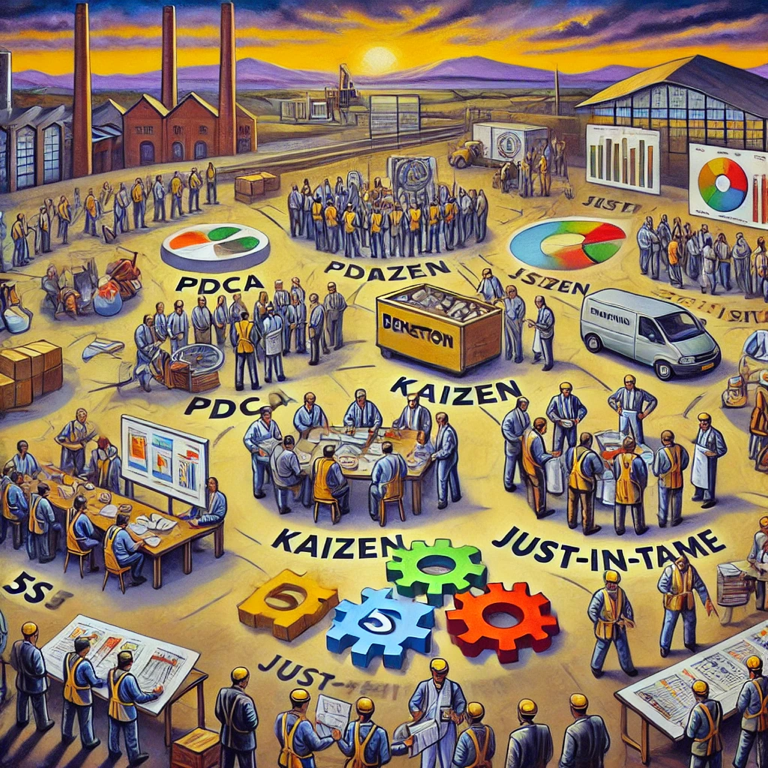
    Lean management includes a variety of tools and methods designed to improve efficiency, quality, and value in organizations. Tools such as Kaizen, 5S, Just-In-Time, Kanban, Value Stream Mapping, and A3 all integrate with the PDCA cycle and create a system of continuous improvement.

    For example, Kaizen allows employees at all levels to participate in the continuous improvement process by identifying problems and implementing small but significant solutions. 5S helps maintain an organized and clean work environment, contributing to efficiency and safety. Just-In-Time ensures precise production and delivery on time, reducing inventory and waste. By implementing Kanban, organizations can improve workflow and ensure that each station receives the necessary materials on time. Value Stream Mapping identifies waste in the process and allows for continuous improvement. The A3 tool enables organizations to address problems in a structured and focused manner.

    By using these tools, organizations can improve the efficiency, quality, and value they provide to their customers. Lean management is based on the principles of continuous improvement, identifying and removing waste, and collaboration between all parts of the organization. When these tools are integrated with the PDCA cycle, an integrated and effective system for continuous improvement is created in all areas of organizational activity.

    For instance, a clothing manufacturing company can use Kaizen to improve cutting and sewing processes by identifying problems in the process and implementing small but significant solutions. Simultaneously, they can use 5S to organize and clean work stations, contributing to efficiency and safety. Through Just-In-Time, they can ensure that the required materials arrive at exactly the right time, reducing inventory and waste. By implementing Kanban, they can improve workflow and ensure that each station receives the necessary materials on time. Through Value Stream Mapping, they can identify waste in the process and improve the flow and added value for their customers.

    Lean management and the PDCA cycle are powerful tools that allow organizations to continuously improve their processes and achieve optimal results. With the right combination of these tools, it’s possible to create a culture of continuous improvement and reach new levels of efficiency and quality.

    #ContinuousImprovement #LeanManagement #PDCA #Kaizen #5S #JustInTime #Kanban #ValueStreamMapping #A3 #Efficiency #Quality #ProcessImprovement

  • Post number 3 on continuous improvement and lean management: Just-In-Time and Kanban – Precise production and supply timing and workflow management

    Just-In-Time is a tool for managing the flow of materials and production in an organization precisely and efficiently. The goal is to produce and supply products exactly when needed, to minimize inventory and waste. JIT integrates with the PDCA cycle at all stages: In planning, the need for precise timing is identified and a plan for implementing JIT is prepared. In execution, the plan is implemented and the flow of materials and production is managed. In checking, changes are evaluated and results are measured. In action, decisions are made on the changes required to continue implementing JIT.

    Additionally, it’s important to understand the principles of the seven wastes in lean management, also known as the eight wastes. The wastes include:

    1. Overproduction – Producing products beyond required demand.
    2. Waiting – Waiting time for workers, equipment, or materials.
    3. Transportation – Unnecessary movements of materials or products.
    4. Over-processing – Performing steps in the process that don’t add value.
    5. Inventory – Storing excess inventory.
    6. Unnecessary motion – Unnecessary body movements of workers.
    7. Defects – Defective products requiring repair or replacement.

    For example, in a manufacturing plant, a team might identify a problem with excessive inventory causing waste of space and resources. In planning, they would prepare a plan to implement JIT and reduce inventory. In execution, they would manage the flow of materials precisely. In checking, they would measure the improvement in performance and inventory. In action, they would establish procedures to maintain precise timing and minimize inventory.

    Kanban is a tool for managing workflow in the production process. The method uses cards to manage and control workflow, and incorporates lean management principles. Kanban integrates with the PDCA cycle at all stages: In planning, the need to improve workflow is identified and a plan for implementing Kanban is prepared. In execution, the method is implemented and the flow of cards is managed. In checking, changes are evaluated and results are measured. In action, decisions are made on the changes required to continue implementing Kanban.

    For example, in a manufacturing plant, a team might identify a problem in the production process where there are delays and long queues at various workstations. In planning, they would prepare a plan to implement Kanban and reduce queues. In execution, they would manage the flow of cards precisely and ensure each station receives cards on time. In checking, they would measure the improvement in performance and queue times. In action, they would establish procedures to maintain precise and efficient workflow.

  • Post Number 1 on Continuous Improvement and Lean Management: The PDCA Cycle – The Fundamental Tool for Continuous Improvement

    We believe it is important to write about the topic of continuous improvement and lean management. We have created a series of posts on this subject that connect and link the PDCA cycle to all lean management tools.

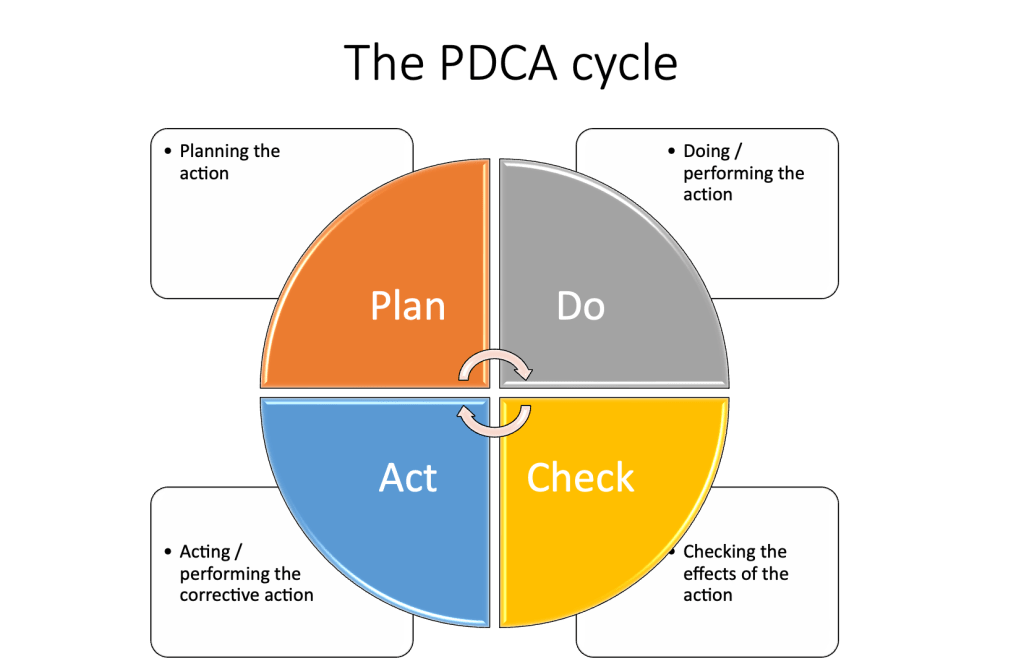
    The PDCA cycle for continuous improvement is a powerful management tool designed for continuous improvement in processes and operations within organizations. This cycle consists of four stages:

    1. Plan: In this stage, the problem or improvement opportunity is identified, the current situation is analyzed, data is collected, and an action plan is prepared. This is a critical stage where clear goals must be defined and the most suitable solutions chosen.

    2. Do: In this stage, the plan created in the planning stage is implemented. It is important to perform the actions in a controlled manner and document the entire process to allow for evaluation and follow-up later.

    3. Check: In this stage, the results of the implementation are evaluated. The actual performance is compared to the goals defined in the planning stage, and it is analyzed whether the achieved improvement meets the expectations. It is important to identify both successes and failures to learn from them and improve.

    4. Act: In this stage, decisions are made on the next steps based on the findings from the check stage. If the achieved improvement is sufficient, the changes can be embedded as part of the regular process. If not, corrections should be made, and the cycle should be repeated.

    For example, a customer service department can use the PDCA cycle to improve response times to customer inquiries. In the planning stage, they would identify the causes of delays, conduct an in-depth analysis, and prepare an improvement plan. In the doing stage, they would implement solutions such as assigning additional staff or changing the work process. In the checking stage, they would measure the new response times and check if the improvement meets the goals. In the acting stage, they would decide whether the changes made are sufficient or if further improvements are needed.

    In the upcoming posts, we will discuss additional lean management tools and how the PDCA cycle is applied to them.

  • Practical Guide to Managing Workplace Conflicts (part 1)

    Recent insights reveal that 50% of managers are keenly interested in conflict management. This post aims to equip you with actionable strategies to navigate workplace conflicts effectively.

    1. Pinpointing Conflict Origins: Start by understanding the diverse backgrounds and viewpoints involved. This foundational step sheds light on the reasons behind the conflict, enabling a more informed approach to resolution.

    2. Classifying the Conflict: Determine if the conflict is task-related, personal, stems from cultural differences, or arises from misaligned values. Identifying the nature of the conflict is crucial for choosing the right resolution strategy.

    3. Strategy Selection: Develop a nuanced understanding of each party’s needs and objectives through active listening. This insight will guide you in selecting the most appropriate resolution strategy, whether collaborative or otherwise.

    4. Promoting Open Dialogue: Foster an environment where all parties feel safe to share their perspectives. Employ active listening techniques to ensure everyone feels heard and understood—a key step towards finding common ground.

    5. Crafting Solutions: Use the insights gained from thorough listening to identify a resolution that all parties can accept. Look for compromises or creative solutions that honor everyone’s values and needs.

    6. Solution Implementation and Monitoring: Keep cultural and value-based sensitivities in mind even after a resolution is reached. Successful implementation and ongoing monitoring are essential to prevent the recurrence of conflicts.By integrating these practical steps into your conflict management approach, you can navigate workplace disagreements with greater efficacy and empathy, leading to more harmonious and productive team dynamics

  • Change Management (Part 1)

    In our journey through organizational development, we’ve explored the intricacies of budget processes and the art of measurement. Next on our agenda is a pivotal element that propels organizations forward: Change Management.

    Embarking on any initiative beyond daily routines necessitates a transition from Point A to Point B. Whether it’s the rollout of a new IT system, the unveiling of a fresh strategy or product line, or the construction of a new facility, these endeavors require adept change management. But how does one navigate the complexities of change? Let’s dive in.

    Understanding the Change: The first step is to define the change. What exactly are we trying to achieve, and why now? Identifying the benefits and potential drawbacks lays the foundation for a successful transition.

    Building Support: Change is not a solo mission. It requires rallying a group of believers around the vision, understanding together why the change is needed and why now. 

    The next step would be around crafting a compelling message about the change which is crucial for gaining buy-in from the rest of the organization.

    Analyzing Forces: Conducting a force field analysis is key. What factors will support the change, and what obstacles might we face? Strategizing on how to amplify driving forces while mitigating restraining ones can pave the way for smoother implementation.

    Setting Goals: Establishing realistic objectives and timelines is essential, bearing in mind that people are at the heart of change. It’s natural for there to be resistance at first, but with careful planning and communication, this can be overcome.

    Stay tuned for our next post, where we’ll delve into managing people throughout the change process.

  • Values and Integrity (renewed)

    Hi there, today’s post might seem theoretical or philosophical but it is very important and has a practical end, so please bear with us.
    One definition of values is the belief of a person or a social group in which they have an emotional investment. This definition of values doesn’t include any reference to whether the values are “good” or “bad” (of course the perception if something is good or bad is subjective). Even a criminal has values (although they might be very different from the values an ordinary man withholds). When we talk about “values”, our definition is a little more specific. For us values indeed involve a deep emotional investment, but they also include an association with a code of conduct. Our values dictate the way we believe we should behave in many situations. For instance, if one of our values is honesty, it immediately dictates that we’ll do whatever we can in order to tell the truth.
    Our definition for integrity is how much one is committed to his own values. Again a little different from the dictionary where integrity stands for “moral soundness”. According to our definition if someone’s set of values include the value of honesty and he lies occasionally, it means that his integrity is questionable.
    Having a high level of integrity is critical when leading people for these reasons:
    1. If you and the people you lead share the same values, then following you when you stand up for those values is much easier for your followers.
    2. Even if you don’t share exactly the same values, following your values consistently will make your behaviors more understandable and predictable, thus increasing both self confidence and trust of the people you lead.
    Things become more complex when there is a conflict between different values you hold. For instance, if you hold the value of being polite and the value of honesty, a conflict between those two might arise (as often happens in many cultures). Such a dilemma can be solved if you are able to understand the importance of each value, which value is more important to you, which one is higher in the values hierarchy. A conflict we encountered a few times in the past was the dilemma between being honest (i.e. telling the truth) and causing harm to someone not only by confronting him with some inconvenient criticism but also damaging his self confidence and self esteem when he really needed those. Such conflicts between different values are common in daily life as well as in many managerial situations. It is really important to be able to identify those conflicts and to consciously determine which action should be taken according to the situation and which value prevails in that situation. Being able to do so will keep your high level of integrity and will enable you to explain your decisions and actions even in the more complex situations you encounter. One of our next posts is going to around the subject of giving feedback were such conflict is inherent in the process.